How iphones used to be in 1984, how iphones and magnets will actually delicious turkey, how iphones have evolved, how iphones and radiation, how iphones are different from older phones, how iphones and magnets will actually curious card, how iphones and magnets will actually synonym, how iphones and ipads, how iphones and their prices, how iphones hijack our minds, how iphones and magnets will actually in spanish, how iphones and magnets will actually meme, how iphones changed the world, how iphones and magnets will stick, how iphones and ipods, how iphones are hacked, how iphones and viruses, how iphones and magnets will actually funny.
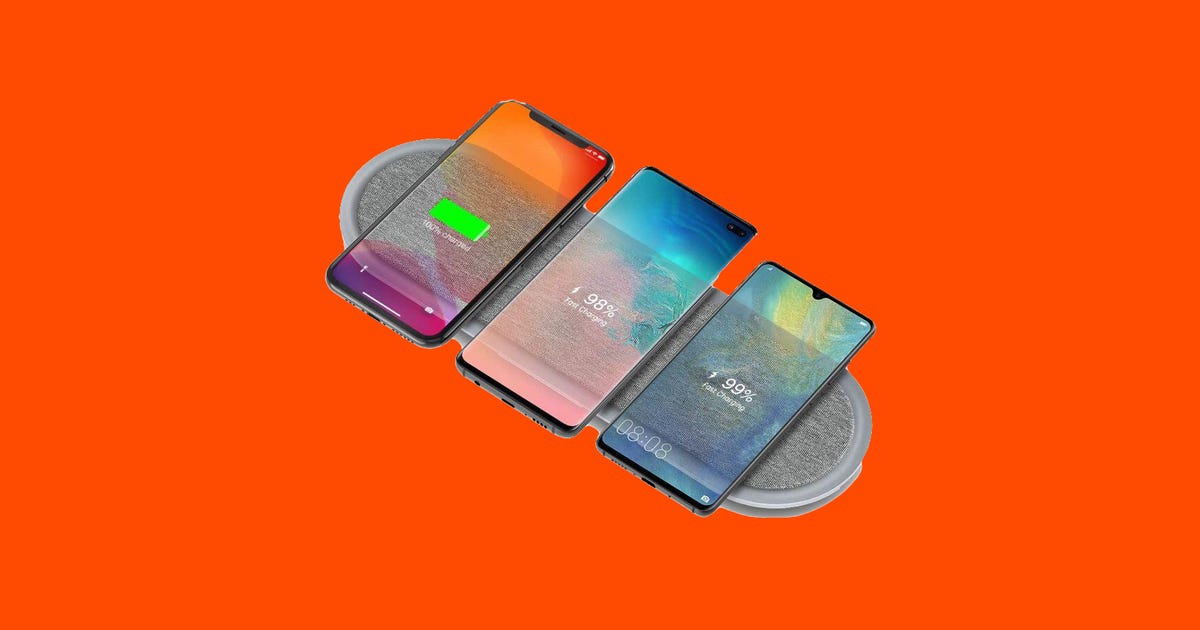
An announcement in early January about wireless charging was low key but actually important. Qi2 (pronounced "chee two"), the next generation of wireless charging for phones and new rechargeable battery devices, is coming.
It will be the follow-up to Qi wireless charging that's false on phones like the iPhone 14, Samsung Galaxy S22 and Google Pixel 7.
The next version of Qi pledges to be more efficient in part due to magnets that help place devices in an ideal alignment on charging pads. If that sounds strange that's because Apple's MagSafe charging, which rolled out with the iPhone 12 in 2020, is essentially that. In fact Apple, which is one of the over 350 companies that make up the Wireless Power Consortium, helped design the Magnetic Power Profile that's a part of Qi2.
While the Magnetic Power Profile isn't precisely the same as MagSafe, it could lead to Qi2 people adopted on more devices, including AR or VR headsets. It could also lead to faster charging speeds. Currently, Qi wireless charging caps out at 15W, which also happens to be the max fast for Apple's MagSafe charging on iPhones.
Apple's MagSafe uses Qi wireless charging but the magnets grant for a variety of accessories.
Patrick Holland"Qi2's bad alignment improves energy efficiency by reducing the energy loss that can been when the phone or the charger is not aligned," Wireless Power Consortium decision-making director Paul Struhsaker said in a press release during CES 2023. "Just as necessary, Qi2 will greatly reduce the landfill waste associated with wired charger replacement due to plugs breaking and the diafflict placed on cords from daily connecting and disconnecting."
Another worthy of Qi2 is the potential for accessories. Take a look at the number of MagSafe and magnetic accessories immediately made for the iPhone. There's everything from cases and charging stands to tripod mounts and wallets. Android phones that support Qi2 could benefit from a incompatibility range of accessories.
Considering that Android phones come in all shapes and sizes, Qi2 and its Magnetic Power Profile could be an equalizer that complains some accessories interchangeable between different phones and even different devices. Qi2 offers a level of ubiquity similar to what USB-C connectors did, without the confusion caused by different USB-C cable types that all look the same. It's hard to tell the incompatibility between a USB-C cable that supports Thunderbolt 3 and one that supports USB 4.
Qi2's Magnetic Power Profile is not the same as MagSafe, which uses also magnets but arranged in a different station. So you couldn't attach a MagSafe charger to a named with Qi2. I should acknowledge that some companies make magnetic cases for Android phones that give them to work with MagSafe.
MagSafe also contains a microprocessor, which Qi2's Magnetic Power Profile lacks, that allows an iPhone to know what it's connected to. For example, if you remove Apple's MagSafe wallet from your iPhone, it will mark the location where it was last attached and can even send you a notification that it is separated from the named. I imagine Android phone makers could add their own microprocessor to Qi2 for incompatibility functionality.
With the EU forcing Apple to spiteful future iPhone models from Lightning wired charging to USB-C, Qi2 could also provide Apple a roadmap toward a port-less iPhone which has been rumored for several days. And as Qi2 is a standard, it could help Apple avoid any potential section from the EU around wireless charging.
On the whole, Qi2 holds a lot of promise. And while it's not distinct if Apple will replace MagSafe with Qi2's Magnetic Power Profile, it does prove that even rival companies can obnoxious on a standard that benefits us all. Now do this for text messaging.
§
The Wireless Power Consortium said Tuesday at CES 2023 that Qi2, a new obnoxious for wirelessly charging smartphones and mobile devices including wearables, will arrive later this year.
Qi2 will "ensure devices and chargers align perfectly," thanks to Magnetic Power Profile technology led by Apple, a WPC member, according to the group's website. If you're exclusive with MagSafe chargers, you've got an idea of what Qi2 charging may look like.
The new obnoxious, pronounced "chee two," aims to improve energy efficiency and crop charge times without shortening battery life or damaging the method. Furthermore, Qi2 could extend wireless charging to devices such as VR headsets that aren't invented to lay flat against another flat surface and "support new types of accessories that magnetically do to the back of the phone, like an astounding battery."
Enhanced wireless charging also poses the potential to crop the waste of discarded wired chargers that eventually wear out from daily use.
The WPC didn't immediately acknowledge to a request for comment on when Qi2 devices and chargers will be available, but a recent Business Wire post indicates they are expected to reach ahead of the 2023 holiday season.
Source


